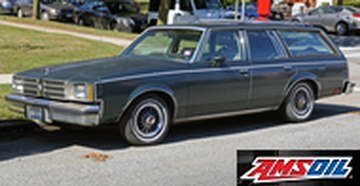
Engine Lubrication and Maintenance for the 1981 Oldsmobile CALAIS 4.3L
Maintaining a vehicle from the early 1980s requires a shift in perspective compared to modern automotive care. For an owner of a 1981 Oldsmobile CALAIS equipped with the 4.3L engine, routine service is not just about following a schedule; it is about monitoring the physical condition of aging components and ensuring that the lubrication system remains effective despite the passage of decades.
Monitoring Fluid Integrity and Potential Seepage
As vehicles age, the materials used in gaskets and seals can undergo changes in elasticity. For the 1981 Oldsmobile CALAIS, regular visual inspections are a primary tool for identifying potential issues before they escalate. Rather than waiting for a significant leak to occur, owners should look for signs of seepage around various engine junctions.
When performing routine checks, pay close attention to the following:
- Surface Seepage: Look for oily residue or "wet" areas on the engine block or near sealing surfaces. Even a small amount of weeping can indicate that a seal is beginning to lose its ability to contain fluids effectively.
- Drainage Areas: Inspect the area beneath the vehicle after it has been parked for an extended period. Any fresh spots on the pavement should be investigated to determine the source.
- Fluid Appearance: If you are checking the oil level, take a moment to observe the color and consistency of the lubricant. While some darkening is normal due to use, extreme discoloration or a gritty texture can warrant further investigation into the engine's internal cleanliness.
It is important to remember that many symptoms, such as an oily residue or a change in fluid appearance, can have multiple causes. A visual inspection provides clues but does not constitute a definitive diagnosis of a specific component failure.
Managing Long-Term Engine Health
For those managing the long-term ownership of a 1981 Oldsmobile CALAIS, establishing a maintenance baseline is highly beneficial, especially if the vehicle's service history is incomplete. If you do not have access to detailed records of every previous oil change or repair, your first priority should be to document the current state of all vital fluids and mechanical components.
A consistent approach to record-keeping allows an owner to distinguish between normal aging and actual mechanical decline. By noting when the oil was last changed, the condition of any replaced seals, and any observed changes in how the engine operates, you can make more informed decisions about future repairs. This data becomes invaluable when deciding whether a component needs proactive replacement or if it is still performing within acceptable parameters.
When maintenance priorities arise, address active concerns first. If there is evidence of an active leak or a noticeable change in how the engine sounds during operation, these should take precedence over general preventive tasks. This condition-based approach ensures that resources are directed toward the most pressing needs of the 4.3L engine.
Observing Potential Warning Signs
While many maintenance tasks are proactive, being able to recognize when a vehicle requires immediate attention is critical for preventing significant damage. For the 1981 Oldsmobile CALAIS, certain indicators should never be ignored.
An unusual mechanical noise during startup or while idling can sometimes be associated with lubrication issues. Similarly, if you notice an unexpected increase in how much oil the engine seems to use between service intervals, this warrants a thorough inspection of the engine's sealing surfaces and ventilation systems. If equipped, checking the condition of the crankcase ventilation components can be a useful step in understanding why lubricant consumption might be increasing.
If any warning indicators appear on the dashboard related to fluid levels or pressure, these require immediate investigation. These signals are designed to alert the operator that the engine's operating environment may no longer be within safe parameters. Always treat such warnings as high-priority events that necessitate a professional assessment or a detailed personal inspection.
Practical Inspection of Ancillary Components
Beyond the lubrication system itself, other components can impact the overall health and serviceability of the 1981 Oldsmobile CALAIS. During an oil change or any other service interval, it is practical to perform a broader sweep of the engine compartment.
If equipped, inspect accessible drive belts for signs of deterioration such as cracking, glazing, or fraying. These components are subject to heat and age, and their condition can affect how various accessories function. Additionally, if present, inspecting hoses for softness, swelling, or leaks is a prudent way to ensure the cooling and vacuum systems remain intact. Even if these parts appear functional, a quick visual check can prevent unexpected downtime.
Electrical connections and wiring should also be monitored. Over time, heat cycles can cause connectors to become brittle or loose. Ensuring that electrical paths are clean and secure helps maintain the reliability of the engine's ignition and sensor systems, which in turn supports stable engine operation.
Selecting Lubricants for the 4.3L Engine
When it comes time to replenish the engine oil, the selection process should be guided by the specific requirements of the application. For a vehicle of this era, there are several types of formulations available on the market, each with different characteristics.
Conventional oils remain a standard choice for many applications. However, some owners may consider synthetic blends or full synthetic oils, which are engineered to offer different levels of thermal stability and resistance to oxidation. Furthermore, if an engine shows signs of aging, some high-mileage oil formulations contain additives intended for use in aging engines, including seal-conditioning additives that may help maintain the integrity of older gaskets.
Regardless of the formulation chosen, it is essential to ensure the product meets the appropriate quality standards and certifications required for the engine's operation. Always verify the labeling on the container to ensure it aligns with the technical requirements of your specific vehicle.
Buying Engine Oil for 1981 Oldsmobile CALAIS 4.3L
To ensure the continued health of your 1981 Oldsmobile CALAIS 4.3L, you must match the engine oil to the application-specific viscosity information already displayed on this page. Do not rely on general automotive knowledge or assumptions based on the vehicle's age to determine the correct grade; instead, use the specific viscosity and requirements provided in the technical data above.
When you are ready to purchase your lubricant, check the product labels carefully to confirm that the SAE viscosity and API service classifications meet the criteria listed for this exact engine. Whether you choose a conventional, synthetic blend, or high-mileage formulation, the most critical factor is strict adherence to the application-specific information provided in the vehicle's documentation on this site.